TR
Initialising Portal
Live from farm-gate to port
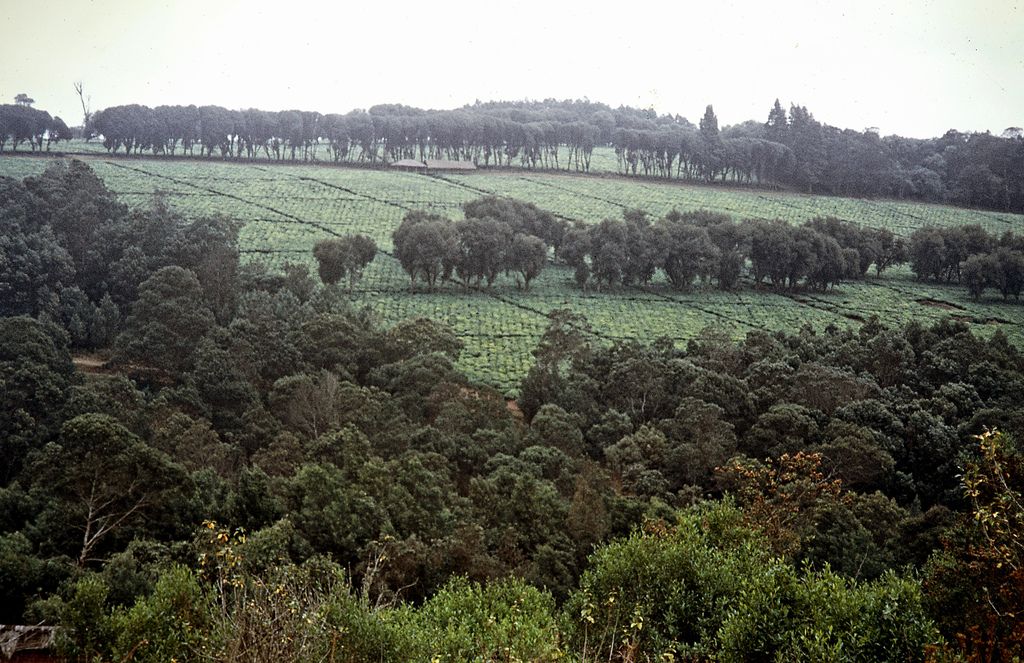
Agriculture is the foundation of Tanzania's economy, contributing 26% to the GDP and providing employment to roughly 75% of the workforce. The country possesses 44 million hectares of arable land, yet only 33% is under cultivation.
Kilimanjaro, Mbeya, Ruvuma
Primarily Arabica in high altitudes and Robusta in Bukoba. Most is sold through the Moshi Auction.
Mtwara, Lindi, Pwani
Tanzania is a top global producer. Government focus is now on local processing rather than raw nut exports.
Arusha, Kilimanjaro, Njombe
The fastest-growing sub-sector (flowers, vegetables, fruits) utilizing cool climates and air-freight via JRO.
Tanga, Morogoro
Once the world leader; seeing a resurgence for use in construction materials and biogas.
Foreigners cannot own land 'outright'. Instead, they obtain a Derivative Right from the Tanzania Investment Centre (TIC). This is a long-term lease for investment purposes, typically for 33, 66, or 99 years.
To qualify for agricultural land, the project must be registered with TIC. The minimum investment for foreigners is $500,000. TIC acts as the 'Land Bank' to identify suitable land for investors.
Verified Institutions
Governed by