TR
Initialising Portal
Live from the heritage & arts sector
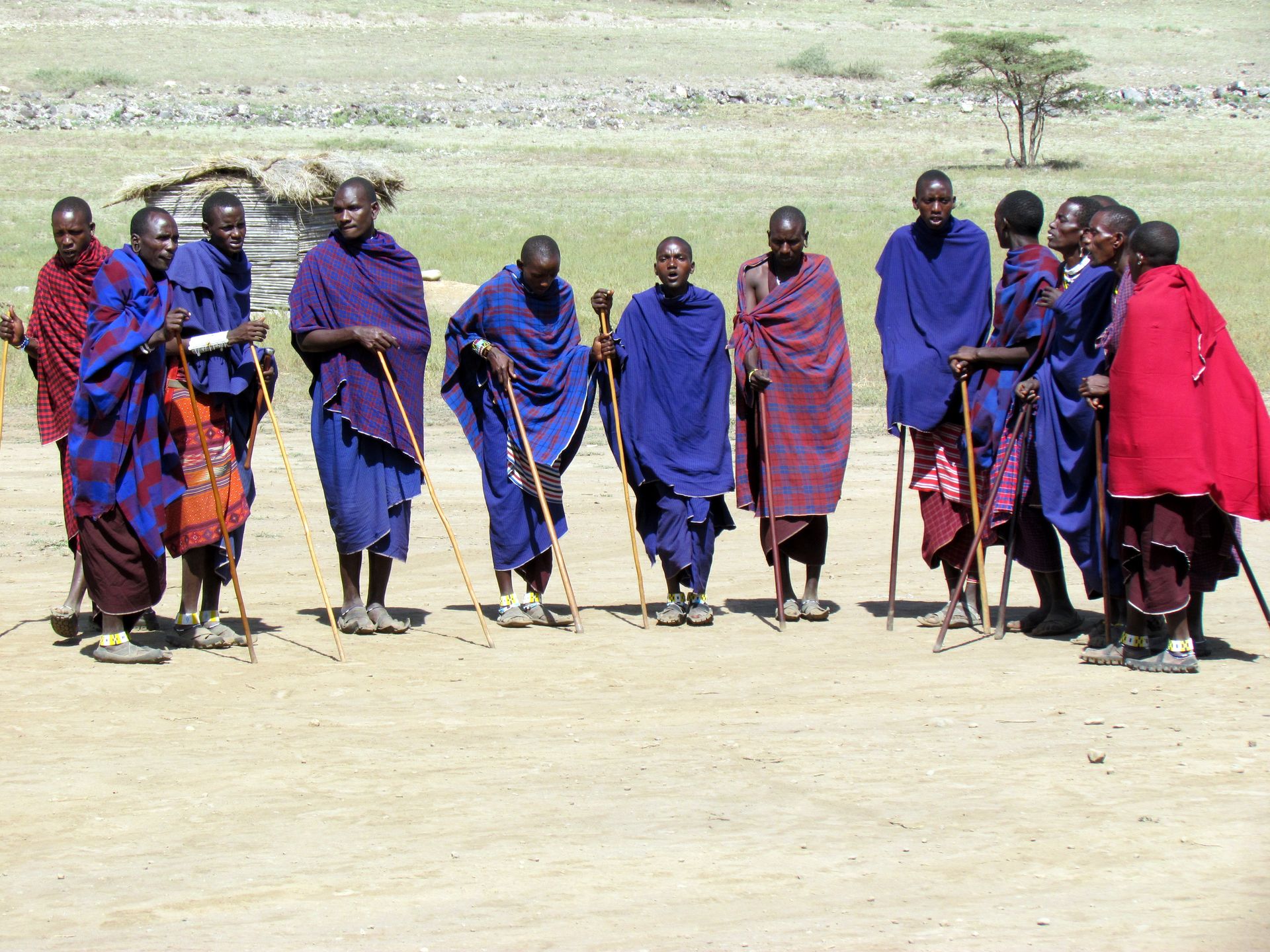
A comprehensive guide to the foundations of the United Republic—from the dawn of humanity to the modern philosophy of national unity.
The United Republic of Tanzania was forged through the historic Union of Tanganyika and Zanzibar on April 26, 1964. Spearheaded by Mwalimu Julius Nyerere and Abeid Amani Karume, this merger remains one of Africa's most successful and stable examples of national unification. It created a unique dual-government system that balances the interests of the mainland and the semi-autonomous islands of Zanzibar.
Central to the Tanzanian identity is 'Ujamaa' (African Socialism or Familyhood). Introduced by Nyerere in the Arusha Declaration of 1967, it prioritized self-reliance, rural development, and national unity over tribalism. While the economic structures moved toward a market economy in the 1980s, the social ethos of 'Utu' (humanity) and the absence of ethnic conflict are the direct results of this philosophy.
Tanzania holds a unique position in global history. The Olduvai Gorge and the Laetoli footprints in the Ngorongoro Conservation Area provide evidence of human ancestors dating back over 3.6 million years. These sites, famously explored by the Leakey family, are critical to our understanding of human evolution and have earned the region its title as the 'Cradle of Mankind'.
Kiswahili is more than a language; it is the soul of the nation. Originating from the interaction between coastal Bantu speakers and Arab traders, it was elevated by Nyerere to be the primary language of administration and education. This strategic move successfully neutralized tribal divisions, making Tanzania one of the few African nations with a single, universally spoken indigenous language.
Tanzania's creativity is a reflection of its diverse heritage and its forward-looking youth culture.
Intricate ebony wood carvings from the Makonde people, famous for 'Ujamaa' (life trees) and 'Shetani' (spirit) figures.
A vibrant, colorful style of painting originating in Dar es Salaam, characterized by stylized animals and village life.
From the poetic, orchestral Taarab of Zanzibar to the modern global phenomenon of Bongo Flava (Tz-Pop).
Tanzania is a global model for inter-faith tolerance. With a population roughly divided between Christianity and Islam, the nation has avoided the religious conflicts seen elsewhere. This is achieved through strict separation of religion from state affairs and the observance of both Christian and Islamic holidays as national events, fostering a culture of mutual respect and integration.
Verified Institutions
Governed by