TR
Initialising Portal

A comprehensive guide to the flavors of Tanzania—from the aromatic spices of the coast to the legendary 'Nyama Choma' of the mainland.
A fusion of African, Indian, and Arabic influences, characterized by the heavy use of coconut milk and aromatic spices.
Pilau
Spiced rice cooked with beef or goat. A celebratory staple across the coast.
Biryani
Layered rice and meat dish, particularly famous in Zanzibar and Dar es Salaam.
Wali wa Nazi
Rice cooked in fresh coconut milk, often served with bean stew or fish curry.
Mshikaki
Marinated meat skewers grilled over charcoal, a favorite evening snack.
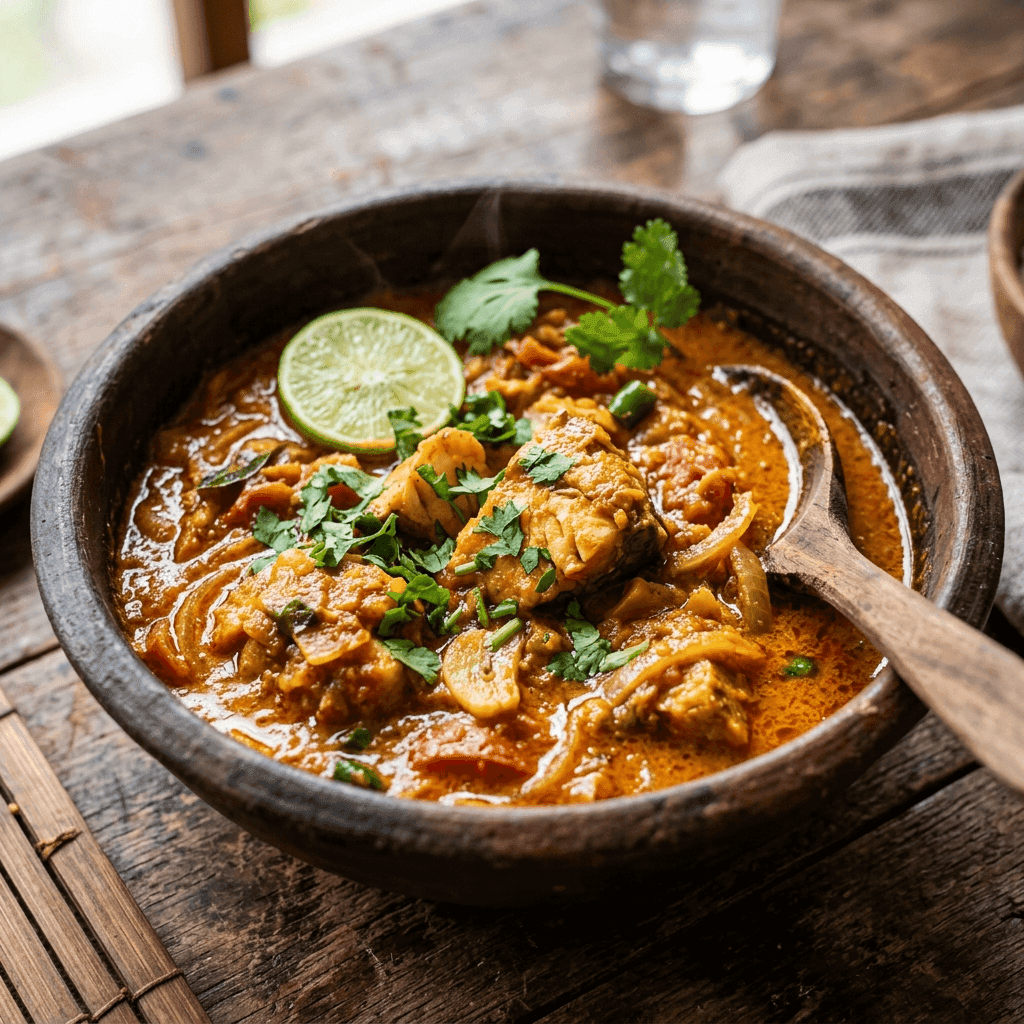
Hearty, energy-dense meals that reflect the agricultural heritage of the Tanzanian interior.
Ugali
The national staple made from maize flour. Always eaten with the right hand.
Nyama Choma
Slow-roasted goat or beef, typically served with kachumbari (tomato/onion salad).
Ndizi Nyama
Green bananas cooked with meat and vegetables, popular in the Kilimanjaro region.
Makande
A traditional stew of maize and beans, slow-cooked to perfection.
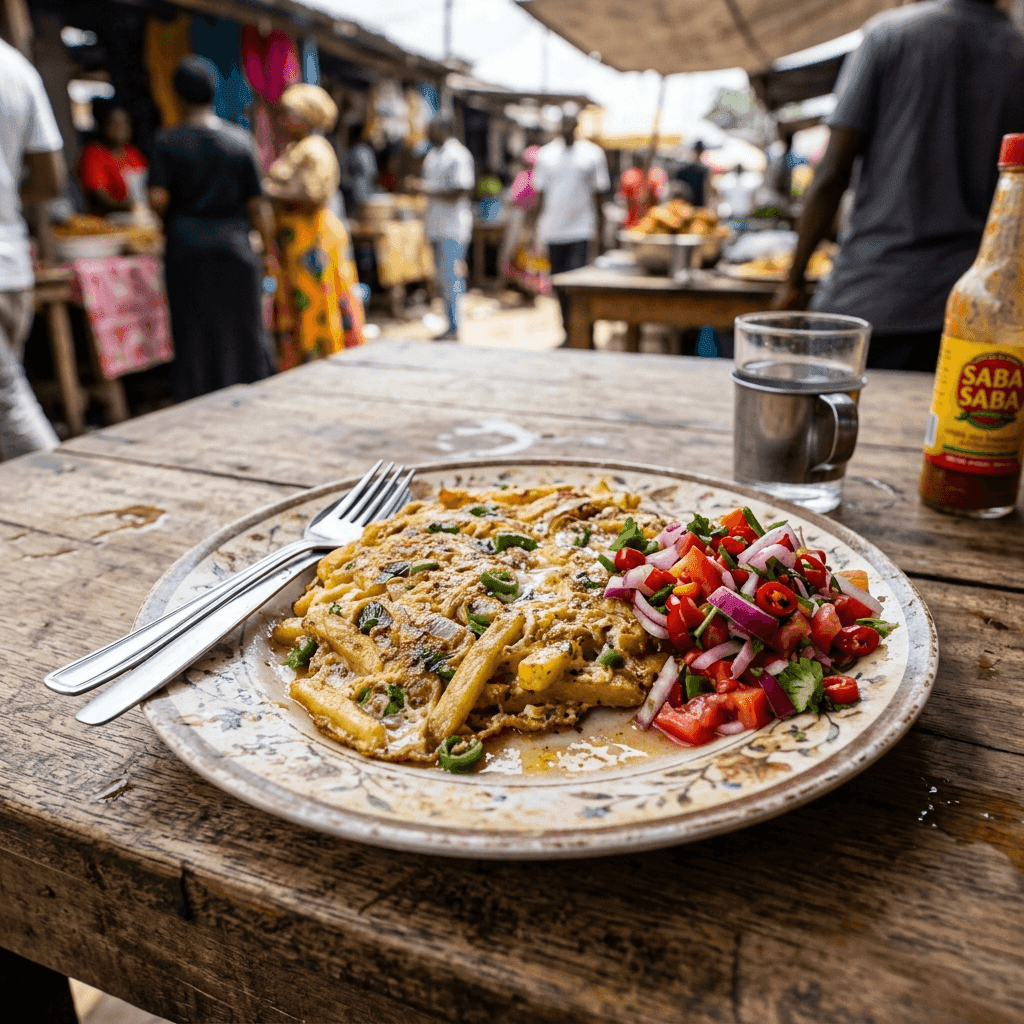
Tanzanian street food is more than a meal; it's a social ritual. Evening 'chipsi' stalls are the beating heart of local neighborhoods.
The 'Zanzibar Omelette' of the mainland—fries cooked into an omelette. Found at almost every street corner.
A unique crepe-like dough filled with meat, cheese, egg, and vegetables, fried on a flat griddle.
A vibrant flour-based soup with potatoes, bajia, and spicy chutneys. The ultimate Zanzibar street snack.
The Chai Culture
Ginger-infused spiced tea is the morning standard. It's often served with 'Mandazi' (Swahili doughnuts) or 'Chapati'.
Expert Coffee
While Tanzania is a top exporter of Arabica, the local 'black coffee' (Kahawa) is traditionally served from copper pots in small cups, often accompanied by peanut brittle (Kashata).
Konyagi
The 'Spirit of Tanzania'. A clear gin-like beverage often mixed with Stoney Tangawizi (ginger beer) to create the famous 'Stoney Gi'.
National Beers
Kilimanjaro, Safari, and Serengeti are the dominant local lagers, each with a loyal following among residents and experts.
When dining locally, always use your right hand for eating, as the left is traditionally reserved for hygiene. It is customary for a bowl of water to be brought to the table for hand-washing before and after the meal. Sharing from a communal platter is a sign of deep community and respect.