TR
Initialising Portal
Hospitals, regulators & insurance — at a glance
A comprehensive guide to navigating Tanzania's healthcare hierarchy, emergency response, and preventative measures.
Tanzania is a malaria-endemic country. Use mosquito nets, repellent (DEET), and consult your doctor about prophylactic medication (Malarone/Doxycycline) before arrival. If you develop a fever, get a rapid test immediately.
Do not drink tap water. Always use bottled or filtered/boiled water, even for brushing teeth. Ensure the seal on bottled water is intact when purchasing from street vendors.
Recommended: Yellow Fever (mandatory if coming from endemic zones), Hepatitis A & B, Typhoid, and Tetanus. Rabies is recommended for long-term stays or those working with animals.
Preferred by most foreigners and experts for speed and comfort.
The backbone of national care with high technical expertise.
Understanding the referral system is key to receiving the right level of care.
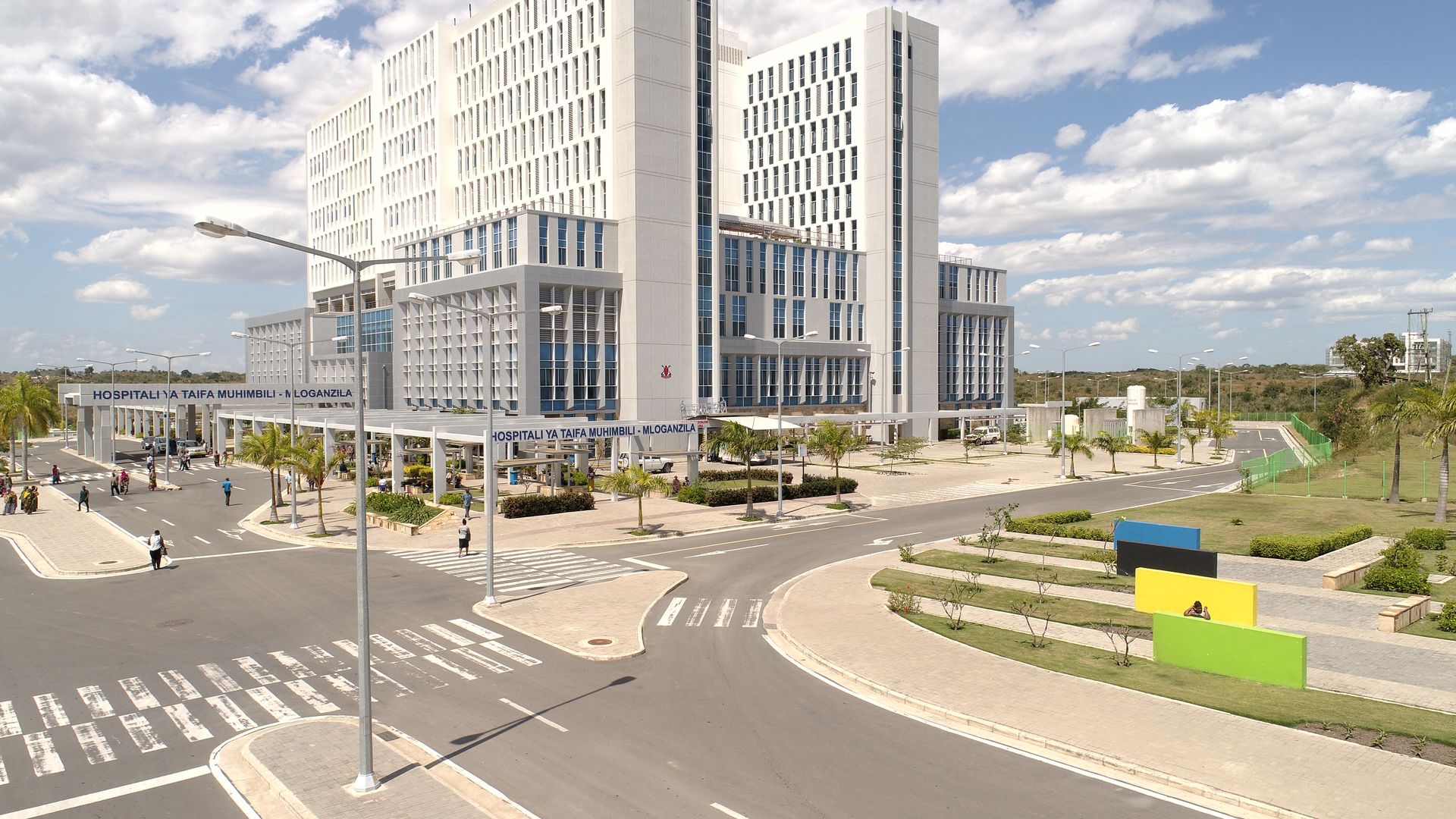
The apex of the system. Muhimbili National Hospital (MNH) in Dar es Salaam is the primary facility for highly specialized treatment and complex surgeries.
Examples: Muhimbili National Hospital, Mloganzila
Large specialized hospitals serving specific geographical zones (North, West, South, Lake). Highly technical with modern diagnostic equipment.
Examples: KCMC (Moshi), Bugando (Mwanza), BMC (Mbeya)
Located in every regional capital and district. These handle common surgeries, maternity, and specialized outpatient care.
Examples: Mount Meru (Arusha), Temeke (Dar)
Primary care facilities. Dispensaries are the most basic unit (outpatient only), while Health Centers (Kituo cha Afya) may have a few beds and basic surgical capacity.
Examples: Local community clinics
Standard travel insurance may not cover all facilities. For serious issues, medical evacuation to Nairobi or Johannesburg is common. Ensure your policy includes specific Air Evacuation (AMREF Flying Doctors) membership, as this can be life-saving in remote areas.
Dial 112 for police or 115 for an ambulance. Note: Emergency response times vary significantly. For immediate trauma, a private taxi to the nearest International Hospital is often the fastest route.
Verified Institutions
Governed by